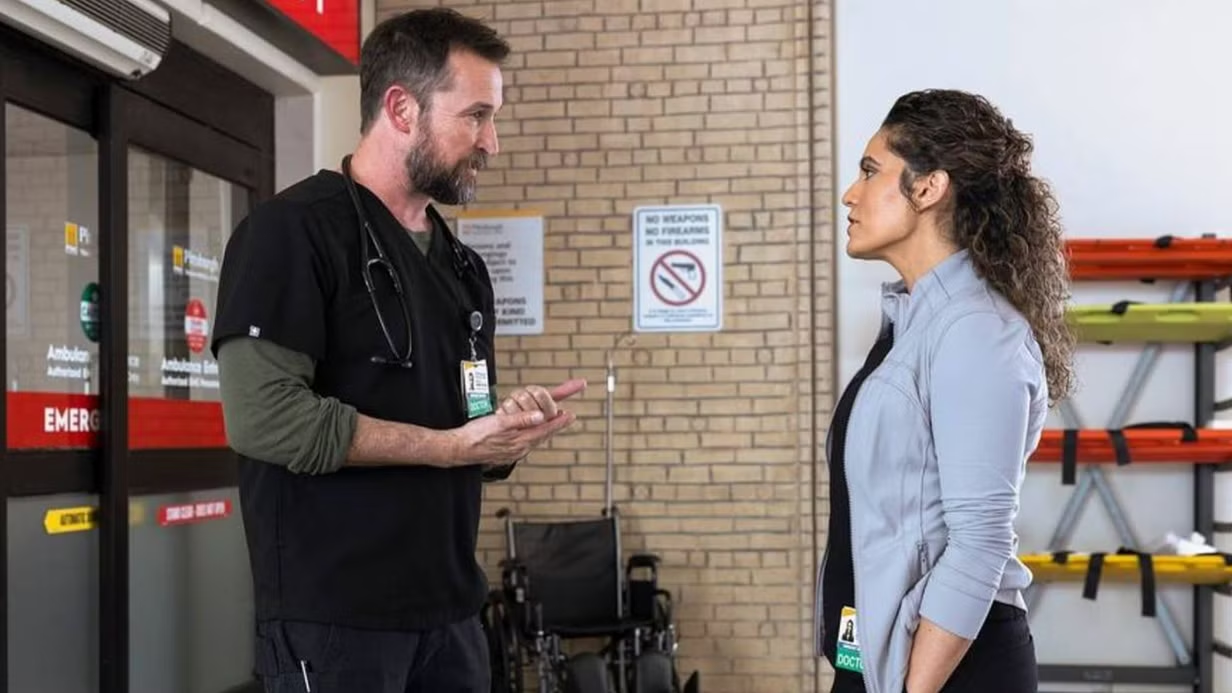

The sophomore season of The Pitt is wasting no time diving into the modern anxieties of American healthcare. In Episode 2, titled “8:00 A.M.,” the tension at Pittsburgh Trauma Medical Center shifts from the physical chaos of the ER to a high-stakes ideological battle over the future of medicine. Dr. Michael “Robby” Robinavitch (Noah Wyle) finds himself at a crossroads, balancing his impending sabbatical with a deep-seated distrust of the new technological era being ushered in by his temporary replacement, Dr. Baran Al-Hashimi (Sepideh Moafi).
The Dangerous Intersection of Human Instinct and Artificial Intelligence
The central conflict of the hour explores a debate currently rocking real-world hospitals: the implementation of AI in trauma care. Dr. Al-Hashimi introduces a cutting-edge charting app designed to eliminate the clerical “burnout” that plagues modern doctors. However, the episode quickly turns into a cautionary tale when the AI misinterprets a patient’s complicated medical history. Robby’s veteran “gut instinct” saves the day, but the incident raises a chilling question for the audience: In a life-or-death situation, can we ever truly trust an algorithm over the human eye? This clash effectively sets up the seasonal arc, positioning Robby as the protector of “old-school” medicine against a tide of cold, automated efficiency.
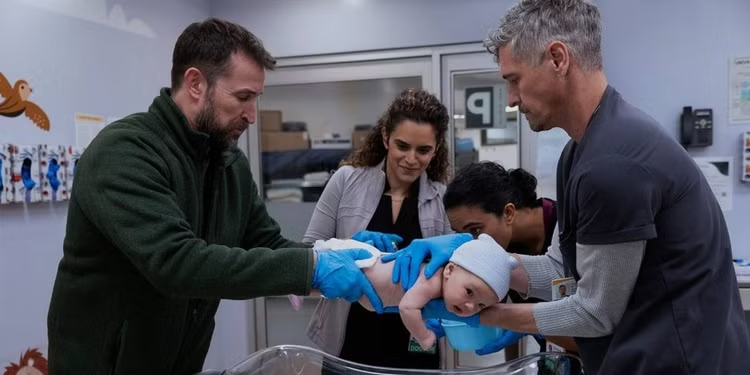
A Hidden “Situationship” Rocks the Hospital Hierarchy
While the medical cases provided the adrenaline, it was the reveal of Robby’s personal life that provided the episode’s biggest emotional anchor. Viewers were introduced to Noelle Hastings (Meta Golding), the hospital’s case manager, in a way that suggests a long-standing, secret relationship with Robby. This “situationship” adds a layer of vulnerability to Robby’s character that we haven’t seen before. It also complicates his departure; Noelle’s quiet plea for him to stay “one more night” hints that his sabbatical might be a flight from intimacy just as much as it is a flight from professional exhaustion.
Redemption and Connection in the Face of Trauma
On the other side of the ER, we see a softer, more restorative side of medicine through the lens of Dr. Langdon (Patrick Ball) and Mel King (Taylor Dearden). Langdon, who is still navigating the social stigma of his recent stint in rehab, finds a moment of genuine connection when Mel is injured during a chaotic patient encounter. His attentive, gentle care of her head injury marks a turning point for his character, moving him from a liability to a vital part of the team’s emotional backbone. Their growing chemistry serves as a necessary counterbalance to the episode’s heavier themes of automation and systemic failure, reminding fans why they fell in love with this cast in the first place.
“To learn more about how we test and rate content, see our Review Policy.
