

While House of the Dragon gave us Shakespearean tragedy and sky-high spectacle, HBO’s next foray into Westeros, A Knight of the Seven Kingdoms, is trading dragon-fire for dirt, grit, and the moral ambiguity of a classic Western.
If the Blackfyre Rebellion was the Great War that ended an era, then Dunk and Egg are the drifters wandering through its scarred aftermath. Here is a detailed analysis of why this tonal shift is the smartest move for the franchise.
1. The “Post-War” Paranoia
Set roughly 15 years after the First Blackfyre Rebellion, the world of Dunk and Egg is defined by what remains unsaid. In Game of Thrones, characters fought for a crown; in A Knight of the Seven Kingdoms, characters are fighting for survival in a land where neighbor turned against neighbor.
The “Black vs. Red” divide functions much like the post-Civil War setting of a Sergio Leone film. When Dunk enters a local inn, the tension doesn’t come from a dragon overhead—it comes from the knight at the next table who might have fought for the “wrong” dragon. This creates a grounded, high-stakes atmosphere where a single conversation can be as lethal as a battlefield.
2. Dunk as the “Lone Ranger” (With a Twist)
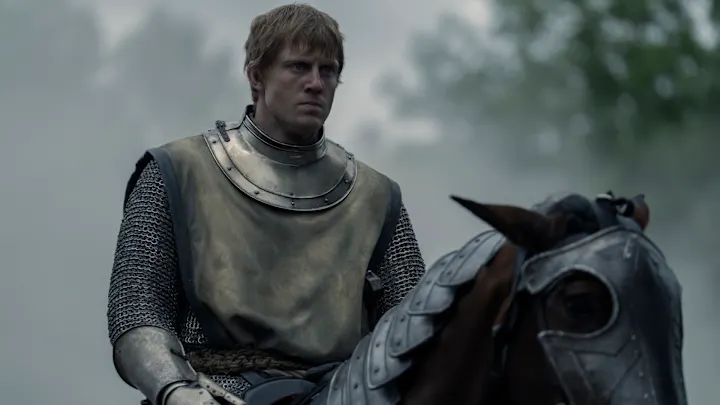
Ser Duncan the Tall is the ultimate Western protagonist: a man of few words, immense height, and a rigid moral code. However, the twist is that Dunk is “thick as a castle wall.” He isn’t the fastest gun in the West; he’s a massive, well-meaning man trying to pretend he belongs in a world of high-born schemes.
His relationship with Egg (Aegon Targaryen) mirrors the classic “grumpy protector and precocious kid” trope. Through Egg, the show can explore the high-stakes politics of the Iron Throne, while Dunk keeps the story rooted in the “low” perspective of the smallfolk—a POV the franchise has rarely explored in depth.
3. The Death of Chivalry
The Blackfyre Rebellion didn’t just kill men; it killed the illusion of Targaryen exceptionalism. With the dragons gone, the Targaryens are just “men with silver hair,” as Dunk often observes.
The analysis of the source material suggests the show will lean into this “de-mythologizing.” We see Princes like Aerion Brightflame who are cruel and delusional, and Baelor Breakspear who is burdened by the weight of a fracturing dynasty. The show is less about the “divine right to rule” and more about the “clumsy reality of ruling.”
4. Visual Language: From Gold to Grey
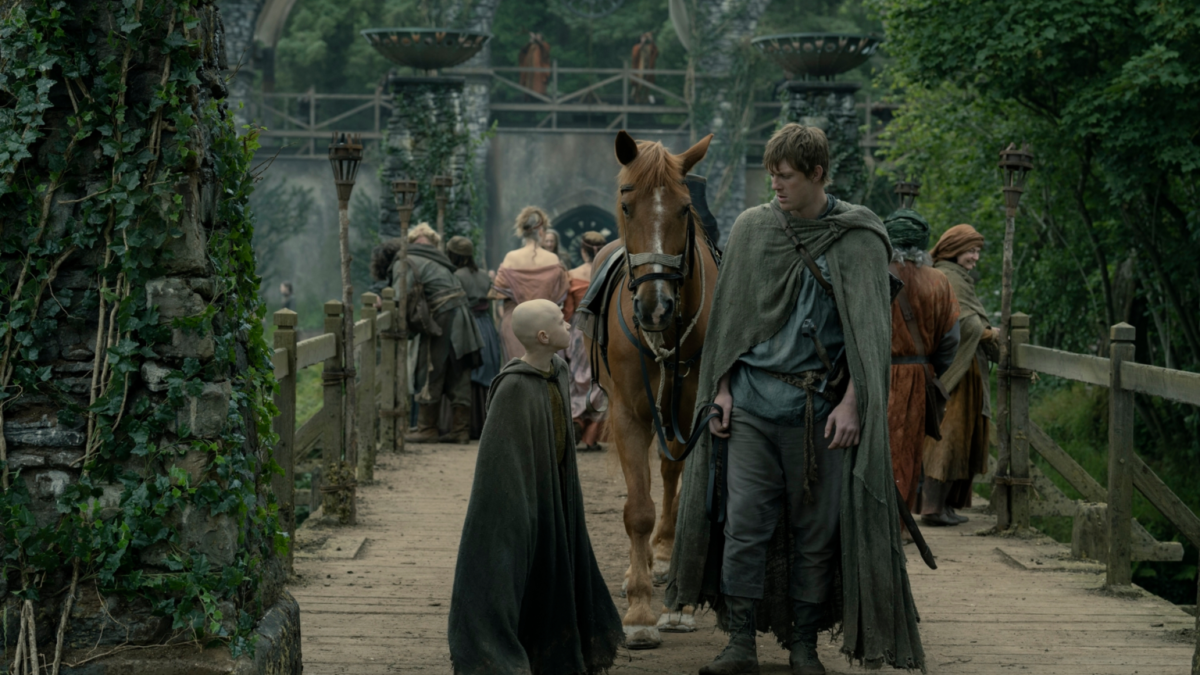
Expect a shift in the visual palette. Showrunner Ira Parker has hinted at a “grittier, lower” look. Instead of the polished gold of the Red Keep, we will see the muddy fields of Ashford Meadow and the dry, drought-stricken lands of the Reach. The cinematography is expected to favor wide shots of the Westerosi landscape, emphasizing the isolation of our two travelers as they move from “town to town” like ronin or gunslingers.
5. Why the “Mystery Knight” Matters
As the series progresses, the shadow of the Blackfyres will grow. The “Mystery Knight” arc (likely Season 3) will serve as the series’ version of a high-stakes heist or a political thriller. It will prove that while the Blackfyre Rebellion “ended” at Redgrass Field, the rebellion is a living, breathing ghost that continues to haunt every tournament and wedding in the Seven Kingdoms.
