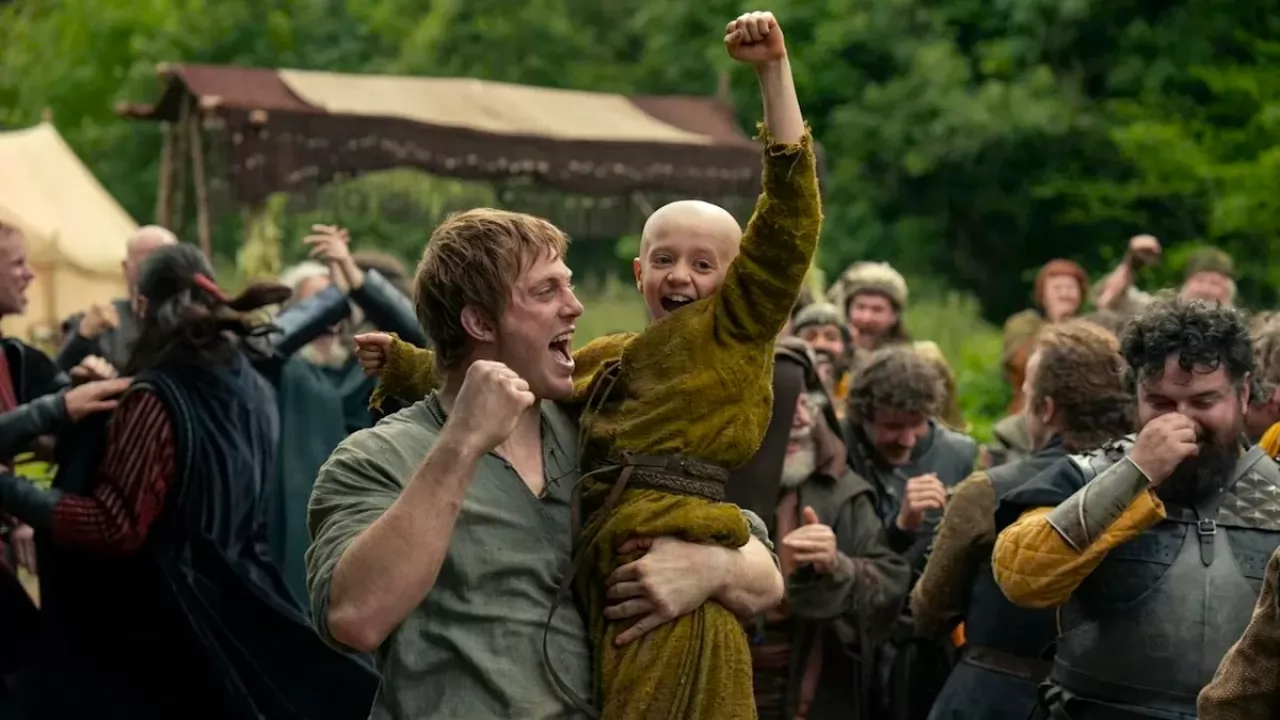

As fans eagerly await the next chapter of HBO’s A Knight of the Seven Kingdoms, the focus has shifted from dragons and political backstabbing to the “Hedge Knight” lifestyle. Based on George R.R. Martin’s beloved novellas, the series follows Ser Duncan the Tall (Peter Claffey) and his squire Egg (Dexter Sol Ansell).
To fully appreciate the lore of this 2026 breakout hit, here is your essential reading roadmap.
1. The Source Material: ‘A Knight of the Seven Kingdoms’
Unlike the massive A Song of Ice and Fire novels, this series is based on a trio of tightly written novellas. Set roughly 90 years before Daenerys Targaryen, these stories offer a “boots-on-the-ground” look at Westeros.
- The Hedge Knight: The origin story of Dunk and Egg at the Ashford Tournament.
- The Sworn Sword: A tale of drought, border disputes, and the aftermath of the Blackfyre Rebellion.
- The Mystery Knight: A deep dive into Targaryen conspiracies disguised as a wedding tourney.
2. Beyond the Books: The 12 “Unpublished” Tales
One of the most exciting aspects of Season 2 (currently filming in Northern Ireland) is the inclusion of “Lost Lore.” Showrunner Ira Parker has confirmed that Martin shared outlines for 12 additional stories.
This is a massive deal for fans. It means the show can move beyond the three published novellas without running into the “Game of Thrones Season 8” problem of having no source material. These stories will likely bridge the gap toward Egg’s eventual crowning as King Aegon V.
3. A Different Tone for Westeros
Why is A Knight of the Seven Kingdoms ranking higher in audience satisfaction than House of the Dragon Season 2?
- Accessibility: It’s a road-trip story, not a complex political web.
- Practicality: Much like Christopher Nolan’s 2026 films, the series prioritizes practical sets and character chemistry over massive CGI dragon battles.
- Easter Eggs: From nods to Maester Aemon to the legendary status of Duncan in the “White Book,” the series rewards longtime fans without alienating newcomers.
Martin’s novellas strip away the high-fantasy politics of the Iron Throne to deliver a more grounded, character-driven experience—effectively serving as Westeros’s first Western in terms of tone and pacing.
